

Blog


Maintaining Your Building’s Value: A Southern California Property Owner’s End-of-Summer Checklist
Late summer is a smart time for Southern California property owners to assess how their buildings have handled months of intense sun, heat, coastal moisture, and everyday use. Small signs of deterioration can become more expensive problems when they are overlooked, especially as fall and winter bring changing weather conditions.
Core Testing and Thermal Imaging: How Forensic Architecture Identifies Hidden Structural Sub-Floor Rot on San Diego Balconies
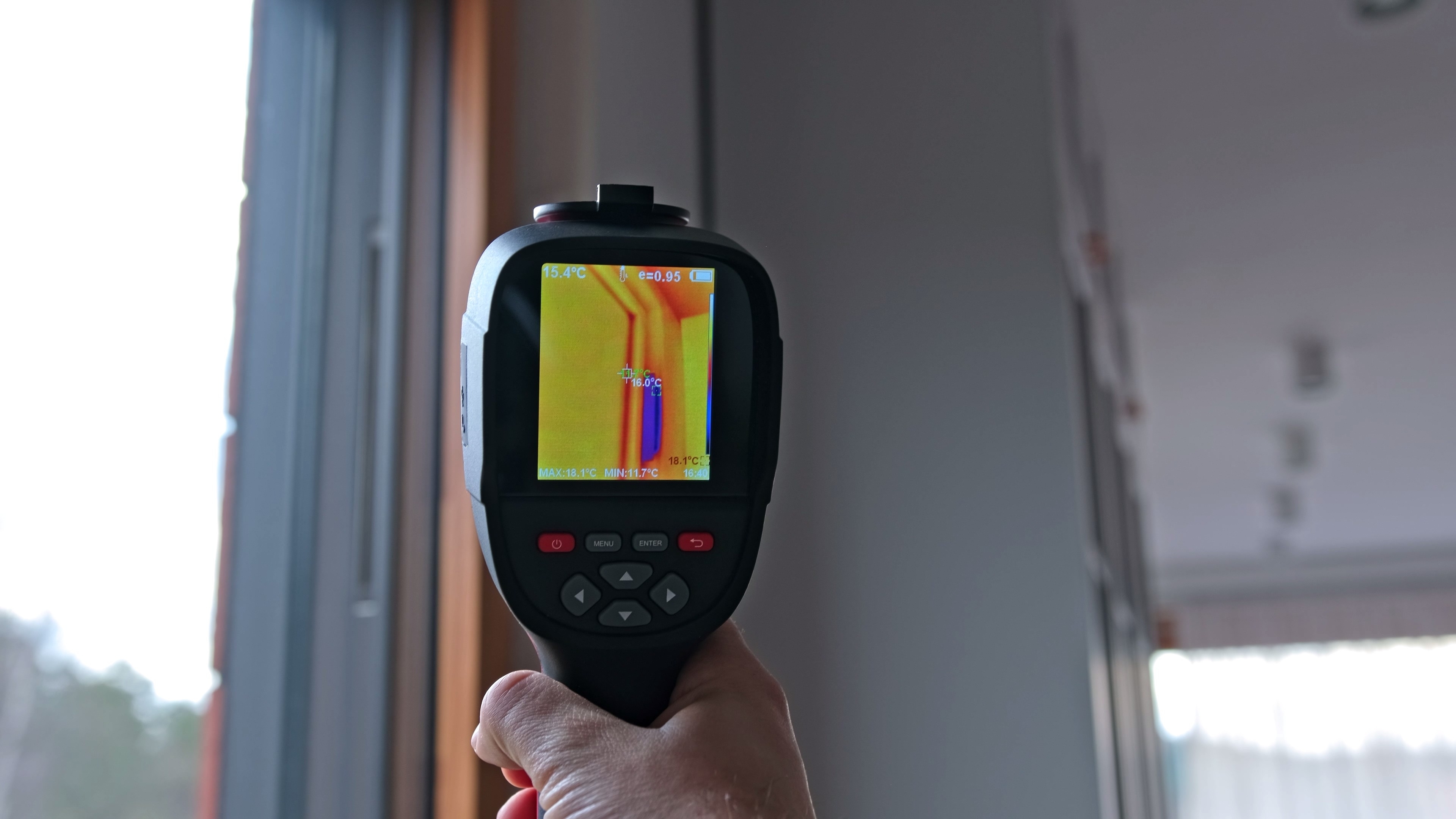
San Diego balconies face constant exposure to coastal air, sun, temperature changes, and seasonal moisture. While a balcony may look stable from the surface, hidden water intrusion can slowly damage the framing, sheathing, and sub-floor assembly below. For HOAs, property managers, building owners, and attorneys, forensic architecture provides a detailed way to identify what is happening beneath the visible finishes before damage becomes more costly or unsafe.
Safe Walkways, Stairs, and Courtyards: Ensuring Property Safety and Reducing Liability Before Summer High-Traffic Months
As summer approaches, many properties see more residents, guests, vendors, and visitors moving through common areas every day. Walkways, stairs, and courtyards can become higher-risk areas when surfaces are uneven, lighting is poor, drainage is not working properly, or aging materials have not been inspected. At Core Consulting Group Inc. in San Diego, we help property owners, managers, HOAs, attorneys, and insurance professionals evaluate construction-related issues that may affect safety, liability, and long-term property performance.
Building Envelope Failure in Commercial Properties: Warning Signs Before Water Intrusion Becomes a Million-Dollar Claim
Commercial building envelope failure rarely starts as a major event. In many properties, it begins with small cracks, failed sealants, aging waterproofing, or drainage issues that go unnoticed until water intrusion causes costly damage. For commercial property owners, managers, insurers, and legal teams, recognizing early warning signs can help reduce repair costs, limit liability, and support stronger construction claims documentation.
Top Warning Signs Your Building Needs a Professional Assessment
Not every building problem starts with a major failure. In many cases, the first signs are easy to overlook - a crack that keeps growing, staining that comes back, or surfaces that no longer sit level. When these warning signs are ignored, the underlying issue can become more expensive and more disruptive to address. A professional building assessment helps identify the cause of the problem and gives owners, developers, and property managers a clearer path forward. Core Consulting Group Inc. is headquartered in San Diego, California and provides construction consulting, defect investigation, forensic architecture, building envelope review, roofing and waterproofing analysis, and cost of repair estimates.

First-Party vs. Third-Party Insurance Claims in Construction Issues
Construction claims can become complicated quickly, especially when property damage, defects, or liability concerns overlap. Understanding the difference between first-party and third-party insurance claims helps owners, developers, contractors, and insurers respond more effectively when a loss occurs.
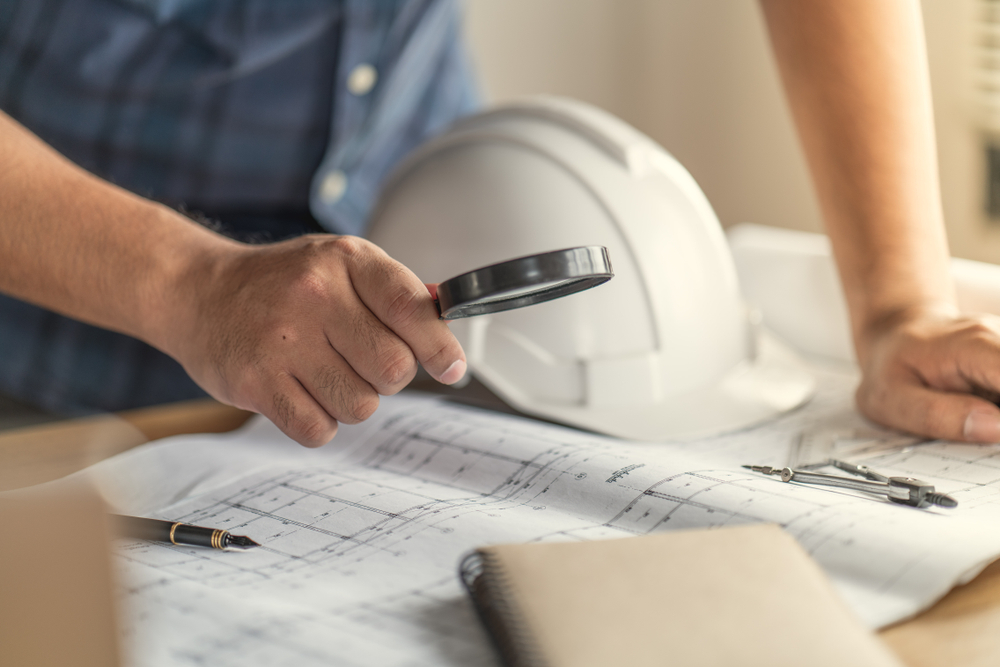
Common Construction Defects in Residential and Commercial Buildings
Construction projects require coordination among numerous professionals, materials, and systems. Even with careful planning, construction defects can occur. When they do, they often lead to costly repairs, operational disruptions, safety concerns, and potential legal disputes.
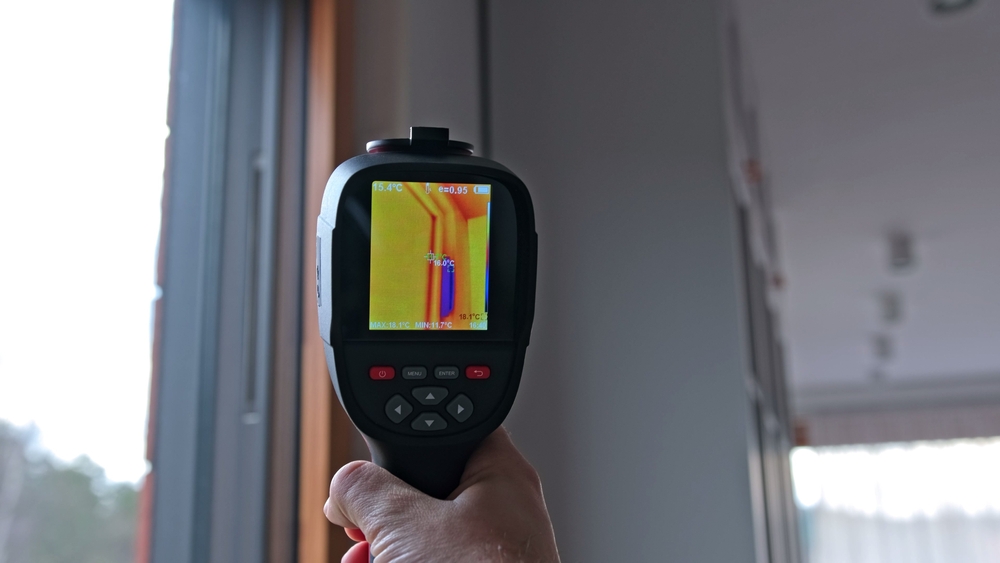
Understanding the Impact of Local Climate on Building Envelope Performance
The building envelope is one of the most critical components of any structure. Acting as the barrier between interior and exterior environments, it directly influences energy efficiency, durability, occupant comfort, and long-term maintenance costs. While good design principles apply universally, local climate conditions play a decisive role in how a building envelope performs over time.

What Happens If You Don’t Comply With SB-326?
SB-326, also known as the “Balcony Inspection Bill,” requires regular inspection of Exterior Elevated Elements (EEEs) - such as balconies, decks, stairways, and walkways - in multi-family residential buildings throughout California. The goal is to ensure the safety and structural integrity of these elements, protecting residents from potential collapse or deterioration-related accidents.

Forensic Architecture in Construction: What It Means and How It Benefits You
Construction projects are complex systems where design intent, materials, workmanship, and environmental conditions all intersect. When something goes wrong - whether it’s cracking, water intrusion, structural distress, or premature failure - understanding why it happened is just as important as fixing it.
Affiliated Organizations


© 2026 Core Consulting Group Inc. - All rights Reserved - Sitemap
Powered by:


