

Understanding the Impact of Local Climate on Building Envelope Performance


Understanding the Impact of Local Climate on Building Envelope Performance
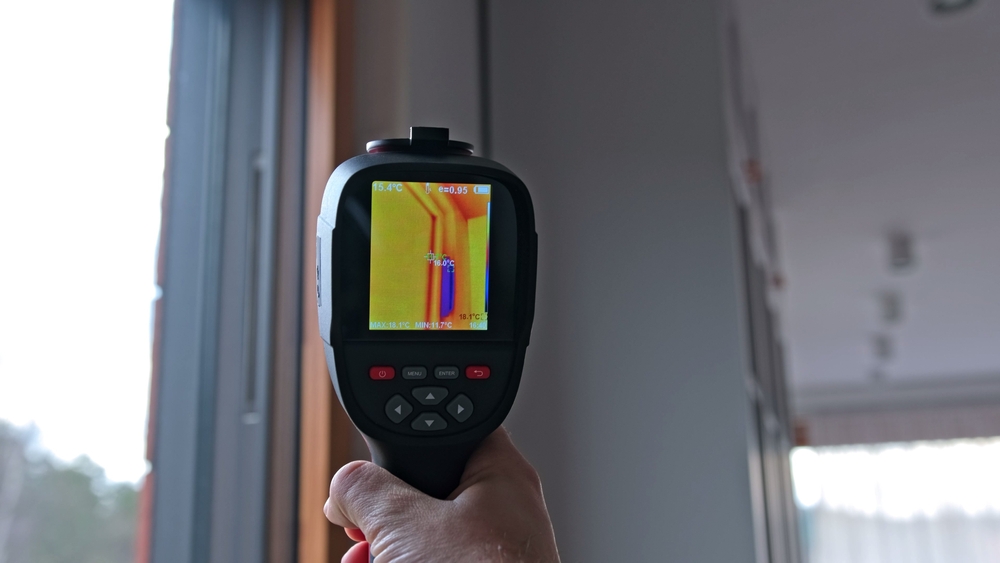
The building envelope is one of the most critical components of any structure. Acting as the barrier between interior and exterior environments, it directly influences energy efficiency, durability, occupant comfort, and long-term maintenance costs. While good design principles apply universally, local climate conditions play a decisive role in how a building envelope performs over time.
What Is the Building Envelope?
The building envelope includes all components that separate the conditioned interior from the outdoors. This typically consists of exterior walls, roofs, foundations, windows, doors, insulation, air barriers, and moisture control layers. Together, these systems regulate heat flow, air infiltration, and moisture movement. When designed and constructed with climate-specific considerations in mind, the envelope enhances energy efficiency, minimizes deterioration, and reduces operational costs.
Climate as a Key Performance Driver
Local climate determines the environmental stresses placed on a building envelope throughout its lifespan. Temperature extremes, humidity levels, precipitation patterns, wind exposure, and solar radiation all influence how materials behave and how assemblies perform.
Temperature Extremes and Thermal Movement
Regions with large temperature swings experience significant expansion and contraction of building materials. Without proper detailing - such as expansion joints and flexible connections - this movement can lead to cracking, sealant failure, and water intrusion. Cold climates also require strategies to limit heat loss and prevent condensation within wall assemblies.
Moisture and Humidity Challenges
Moisture is one of the most common causes of building envelope failure. In humid or wet climates, envelopes must manage both bulk water and vapor diffusion. Inadequate drainage, poor flashing, or improper vapor barrier placement can trap moisture within assemblies, leading to mold growth, corrosion, and material degradation.
Solar Exposure and UV Degradation
Sun exposure varies widely by location and orientation. Prolonged ultraviolet radiation can degrade sealants, coatings, and roofing membranes, reducing their service life. Envelope materials must be selected and detailed to withstand local solar intensity while managing heat gain in warmer climates.
Climate-Specific Design Strategies
An effective building envelope is never one-size-fits-all. Climate-responsive strategies may include:
Enhanced insulation and airtightness in cold climates to reduce heat loss
Vapor-permeable assemblies in mixed climates to allow drying in multiple directions
Robust drainage planes and moisture-resistant materials in wet regions
Solar shading, reflective surfaces, and thermal breaks in hot climates
Performance modeling, climate data analysis, and enclosure commissioning all help validate that envelope systems are suited to their environment.
The Role of Assessment and Ongoing Maintenance
Even well-designed envelopes can underperform if they are poorly constructed or inadequately maintained. Regular assessments can identify early signs of distress—such as moisture intrusion, thermal bridging, or material deterioration—before they escalate into costly failures.
Climate conditions evolve over time, and buildings must adapt to increased weather intensity and shifting environmental patterns. Proactive evaluation ensures envelope systems continue to perform as intended.
Partner With Envelope Performance Experts
Local climate has a profound impact on building envelope performance, influencing everything from material selection to long-term durability. CORE Consulting Group Inc. provides expert building envelope assessments, diagnostics, and performance evaluations tailored to local climate conditions. Whether you are planning a new project or addressing concerns in an existing structure, our team can help you make informed, data-driven decisions.
Contact CORE Consulting Group Inc. to learn how we can support the long-term performance and durability of your building. Visit our office in San Diego, California, or Phoenix, Arizona. Call (858) 693-3008 or (602) 272-0092 to schedule a consultation today.
Affiliated Organizations


© 2026 Core Consulting Group Inc. - All rights Reserved - Sitemap
Powered by:


