

Core Testing and Thermal Imaging: How Forensic Architecture Identifies Hidden Structural Sub-Floor Rot on San Diego Balconies


Core Testing and Thermal Imaging: How Forensic Architecture Identifies Hidden Structural Sub-Floor Rot on San Diego Balconies
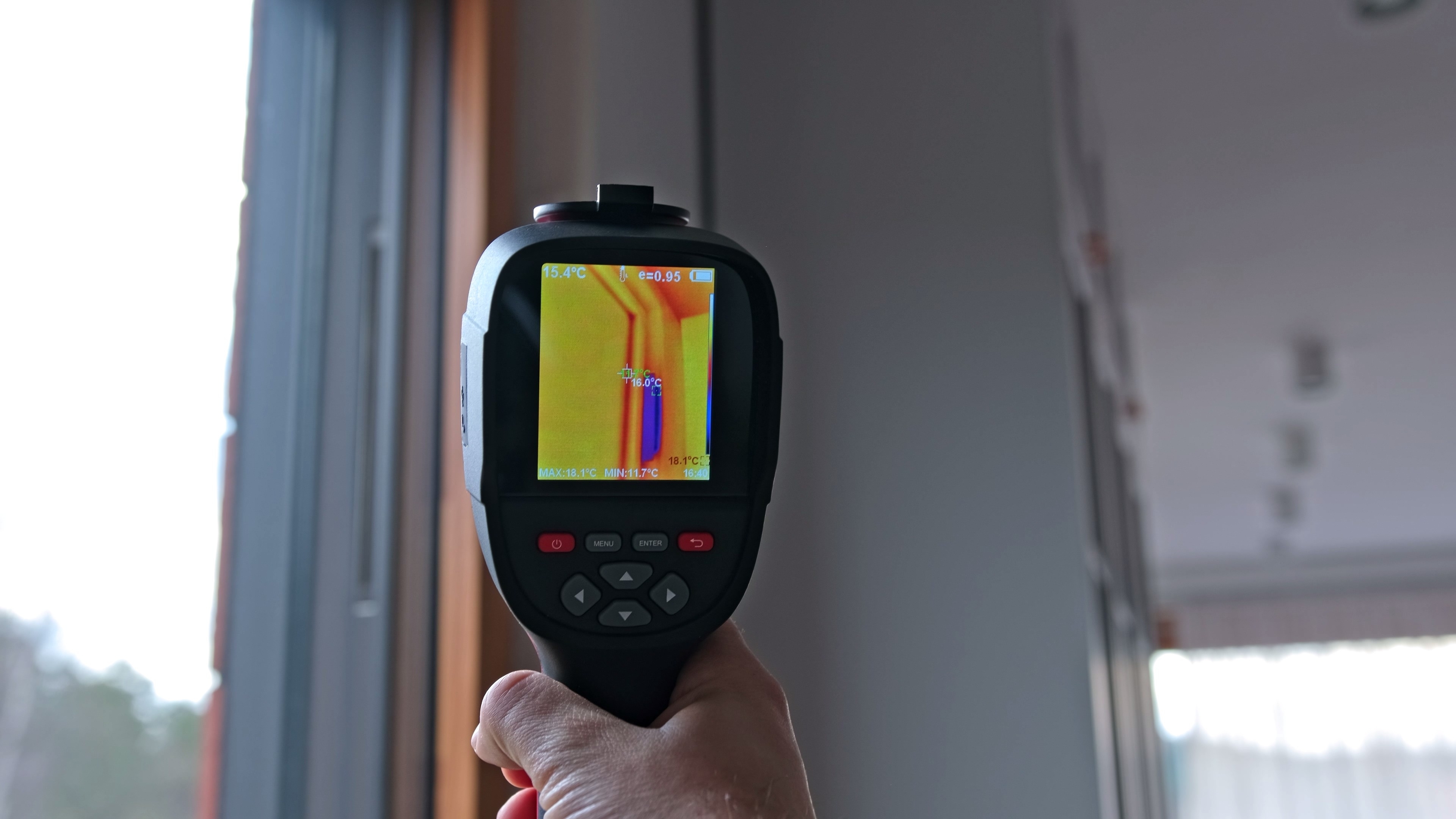
San Diego balconies face constant exposure to coastal air, sun, temperature changes, and seasonal moisture. While a balcony may look stable from the surface, hidden water intrusion can slowly damage the framing, sheathing, and sub-floor assembly below. For HOAs, property managers, building owners, and attorneys, forensic architecture provides a detailed way to identify what is happening beneath the visible finishes before damage becomes more costly or unsafe.
At Core Consulting Group Inc. in San Diego, forensic architecture and building envelope evaluation help uncover hidden construction defects, moisture pathways, and structural concerns that may not be obvious during a basic visual review.
Why Balcony Rot Often Stays Hidden
Balcony systems are designed to shed water away from the structure. When waterproofing fails, flashing is poorly installed, drainage is blocked, or coatings begin to separate, moisture can move into concealed areas. Once water reaches wood-based components, sub-floor rot can develop behind finishes, under walking surfaces, or around framing connections.
The challenge is that rot may not show itself right away. A balcony can appear functional while internal materials are softening, swelling, or losing strength. By the time staining, cracking, sagging, or surface movement appears, the underlying damage may already be advanced.
What Forensic Architecture Looks For
Forensic architecture combines technical building knowledge with investigative methods. Instead of only noting visible symptoms, the process looks for cause, extent, and responsibility. This is especially important in San Diego balcony evaluations where construction history, waterproofing details, maintenance records, and code requirements may all matter.
A forensic architect may evaluate balcony slope, drainage, membrane performance, flashing transitions, wall connections, rail penetrations, and signs of moisture intrusion. The goal is to understand how water entered the assembly, how far it traveled, and what repairs may be needed.
How Thermal Imaging Helps Detect Moisture Patterns
Thermal imaging can help identify temperature differences across building surfaces. In balcony investigations, those differences may point to areas where moisture is present beneath coatings or within concealed assemblies. This does not replace physical testing, but it can help guide where a closer inspection is needed.
For San Diego properties, thermal imaging may be useful because moisture-related damage can be scattered. One balcony may show surface issues while another has hidden damage with fewer visual clues. Thermal imaging helps narrow the focus so testing can be more targeted.
Why Core Testing Matters
Core testing allows investigators to examine what is happening beneath the surface. By removing a controlled sample, a forensic team can assess layers of the balcony system, including coatings, waterproofing, substrate materials, and signs of decay or moisture movement.
Core testing can help identify:
- Hidden sub-floor rot or softened wood
- Failed waterproofing layers
- Moisture trapped beneath balcony surfaces
- Poor installation details or material separation
- Damage around railings, doors, walls, or transitions
- The depth and extent of deterioration
- Areas that may need repair, replacement, or further investigation
This type of testing can provide stronger documentation than visual inspection alone.
Why This Matters For San Diego HOAs And Property Owners
Balcony failures can create safety concerns, repair costs, insurance disputes, and legal exposure. In California, exterior elevated elements such as balconies, decks, stairways, and walkways may require careful inspection depending on the property type. For HOAs in San Diego, proactive investigation can help clarify whether visible damage is isolated or part of a larger building envelope issue.
A forensic architecture report can also support smarter repair planning. Instead of guessing where damage begins and ends, property stakeholders can use documented findings to prioritize repairs, budget more accurately, and address root causes.
When To Schedule A Balcony Evaluation
A forensic balcony evaluation may be appropriate if there are soft spots, cracking coatings, ponding water, rust staining, water intrusion at adjacent interiors, loose railings, fungal growth, or repeated waterproofing failures. It may also be useful before major repairs, litigation, insurance claims, or SB 326-related planning.
Schedule your forensic architecture and balcony evaluation consultation with Core Consulting Group Inc. at 9988 Hibert St., Ste 308, San Diego, CA 92131. Call (858) 693-3008 to book your appointment.
Affiliated Organizations


© 2026 Core Consulting Group Inc. - All rights Reserved - Sitemap
Powered by:


